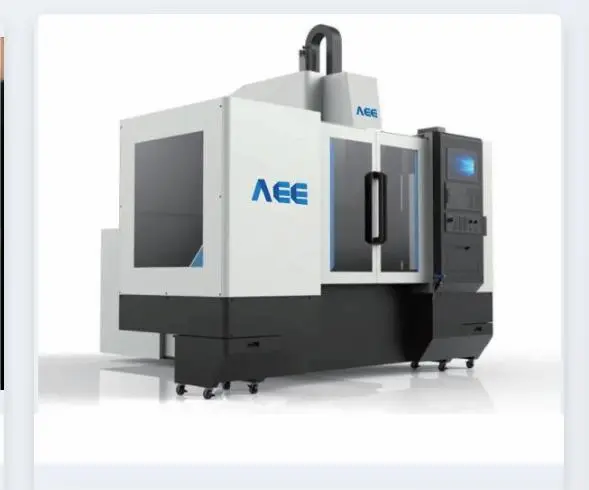
Friction Welding
Friction Welding and Its Advantages
Friction welding offers an efficient and sustainable method for joining metal components, ensuring high strength and reliability of the joints.
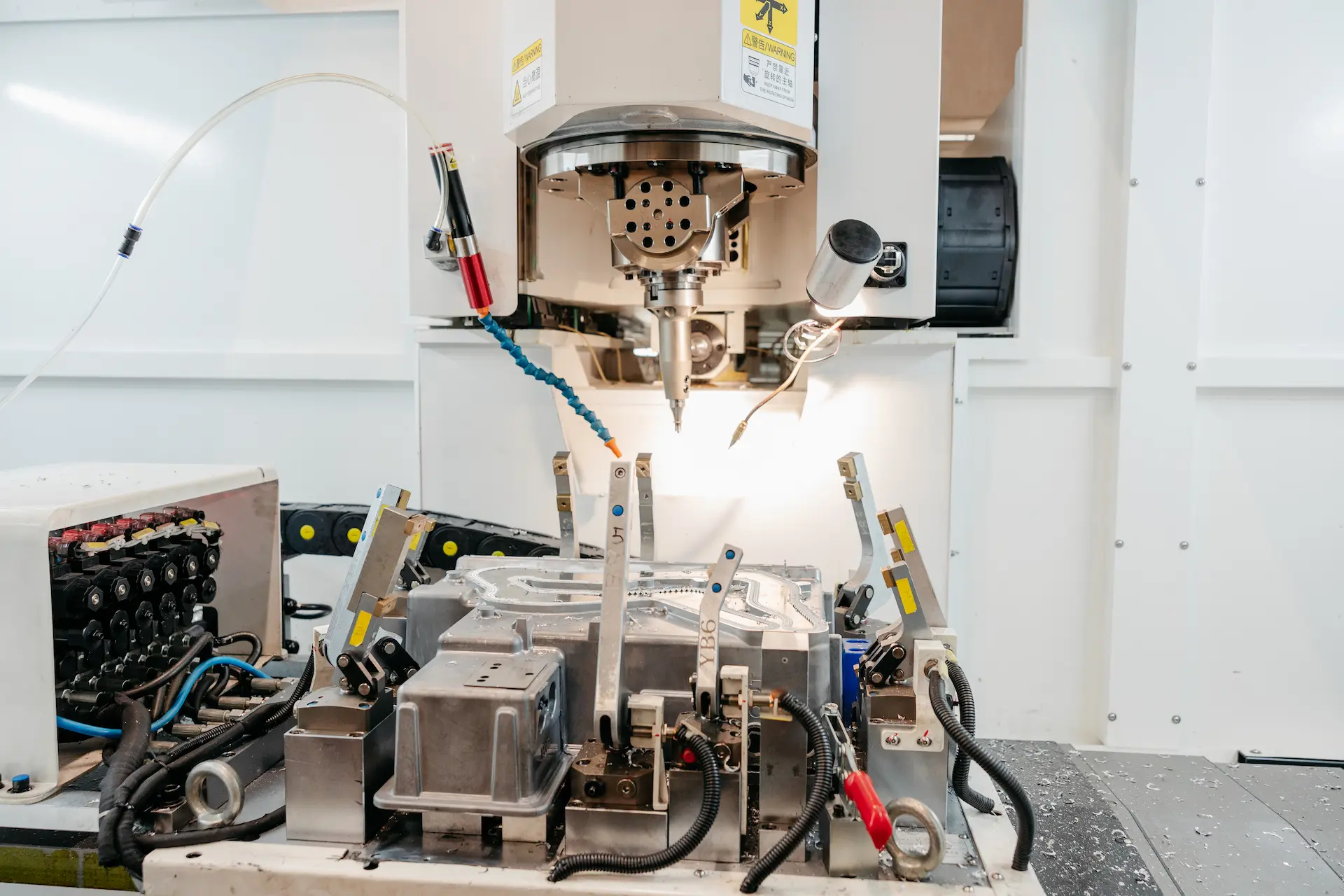
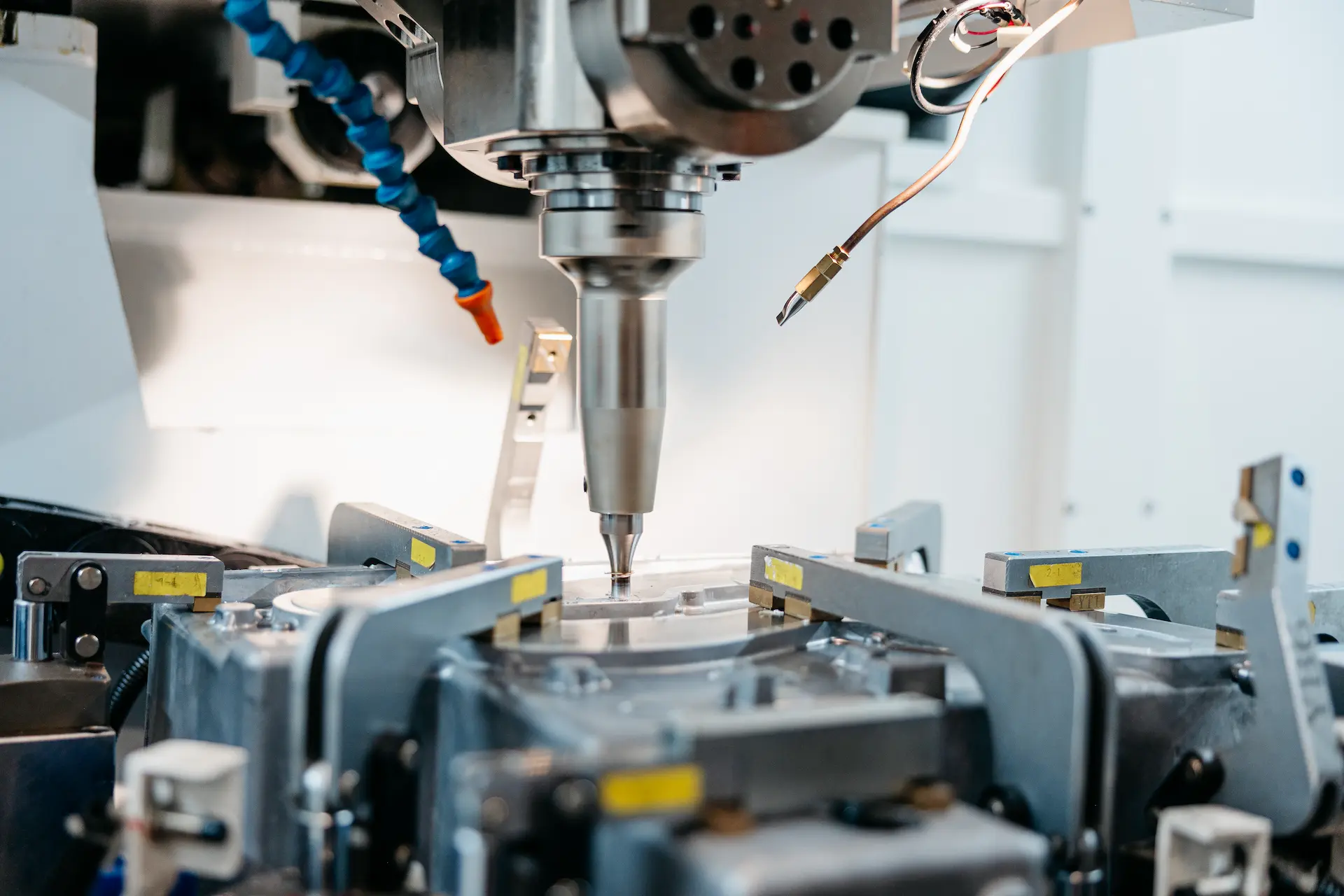
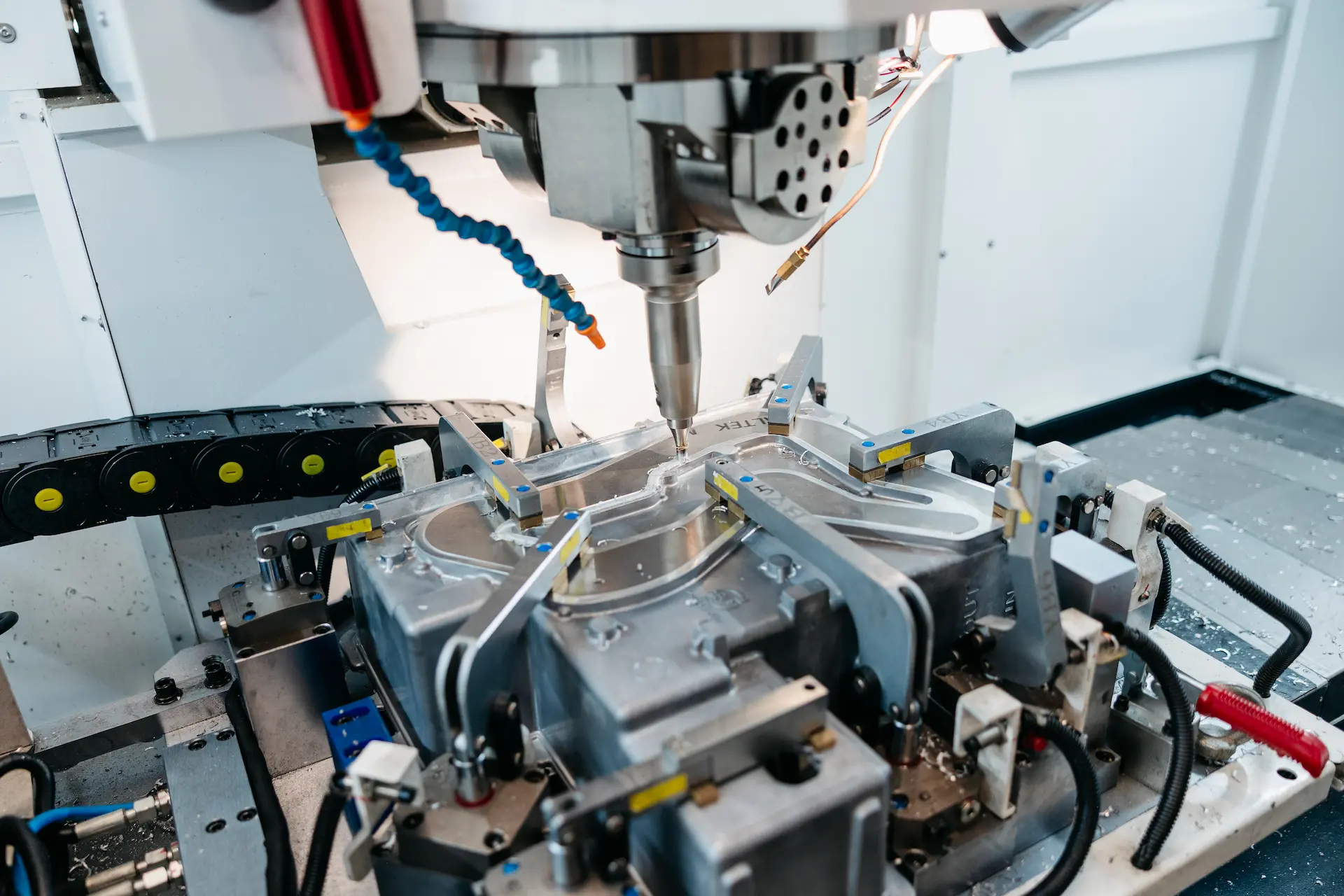
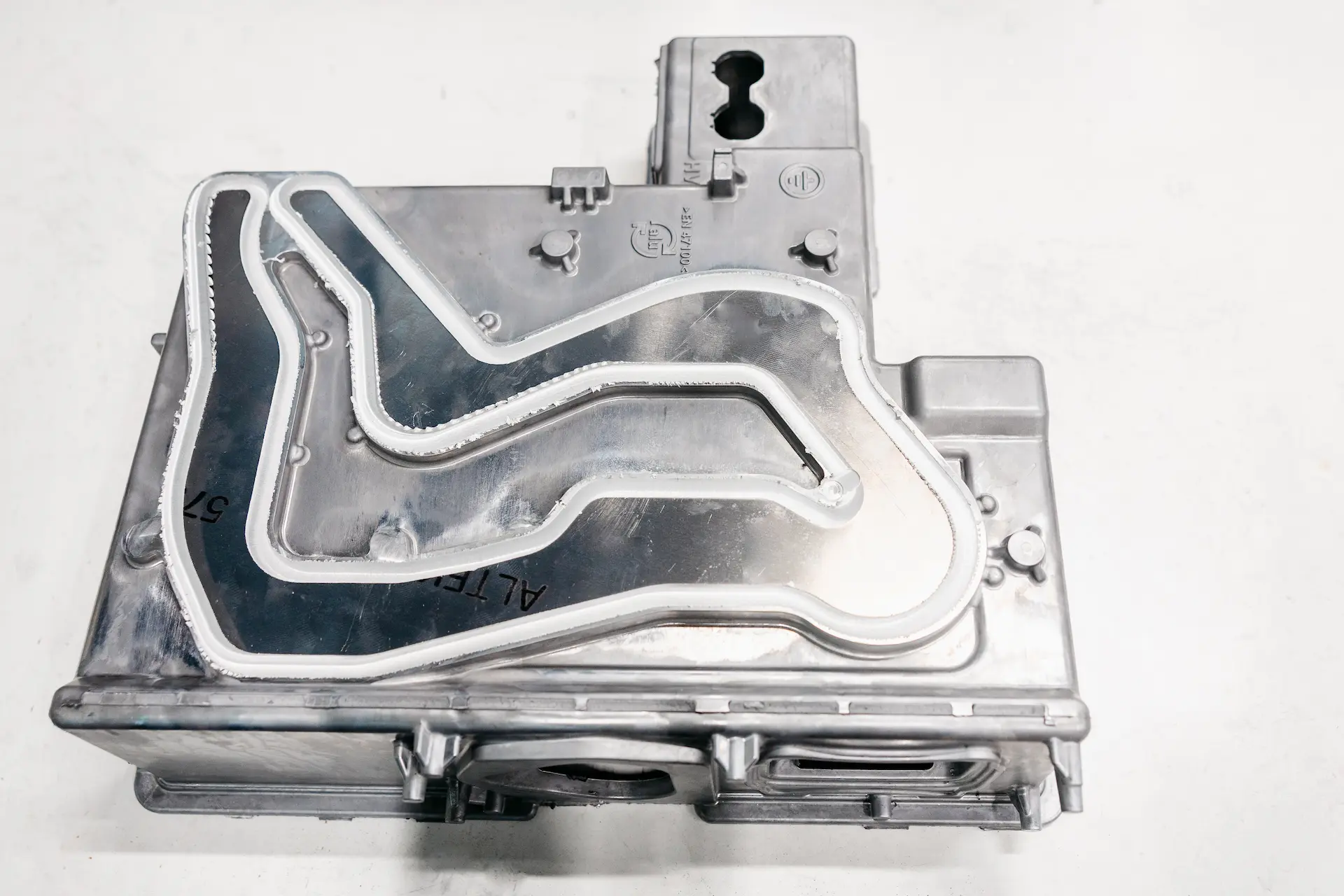
Friction Stir Welding
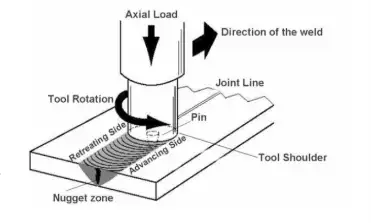
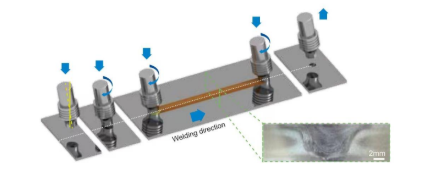
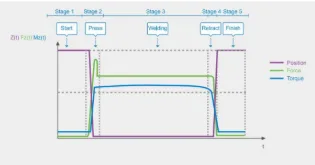
The principle of FSW technology
Friction stir welding (FSW) is a modification of the traditional friction welding and machining process.
Advantages of Friction Stir Welding
FSW technology offers significant improvements in quality, efficiency and cost-effectiveness
Metallurgical advantages
- Solid-state process
- Low deformation of the part
- Good dimensional stability
- No loss of alloying elements
- Excellent metallurgical properties
- Fine microstructure
- Absence of cracks
Environmental advantages
- No shielding gas
- No post-weld cleaning
- Eliminates grinding waste
- Eliminates degreasing solvents
- No consumables required
- No harmful gases
Energy advantages
- Improved use of materials
- Weight reduction
- Only 2.5% of the energy used in laser welding
- Reduced fuel consumption
- Applications in lightweight vehicles and ships
Advantages over other technologies
The superiority of FSW technology compared to traditional welding methods
FSW vs Fusion Welding
- Improved mechanical properties
- Reduced deformation
- Lower defect rate
- Preserves the base metal chemistry
- Simplifies welding of dissimilar alloys
- Fewer process variables
- Eliminates consumables
- Reduces health risks
FSW vs Riveting
- Improved mechanical properties
- Reduced production time
- Increased load-bearing capacity
- Improved fracture resistance
- Eliminates consumables
- Less operator dependence
Section for applications or diagrams?
Discover the variety of applications and the high quality of FSW technology
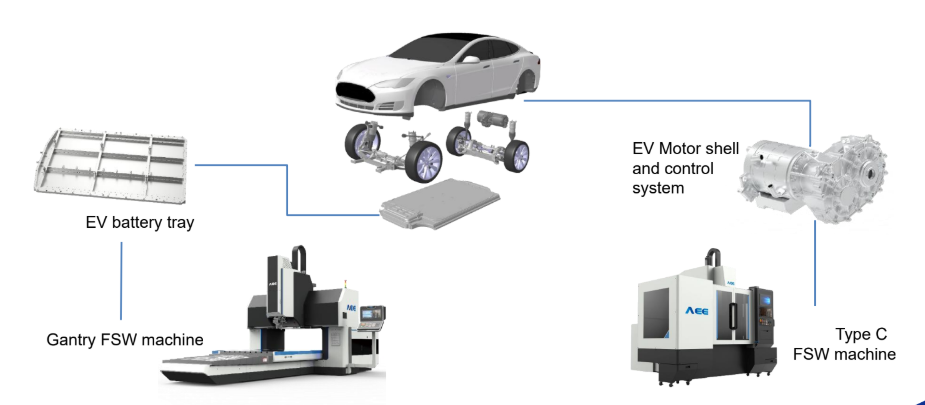
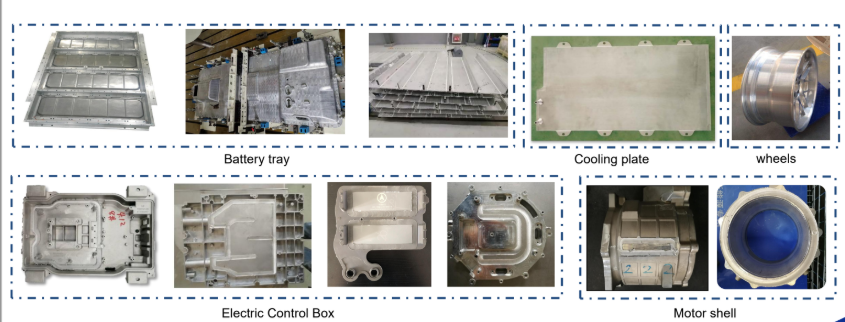
Applications in EV components
High-precision welding of aluminium panels for the aerospace industry with excellent joint quality and strength.
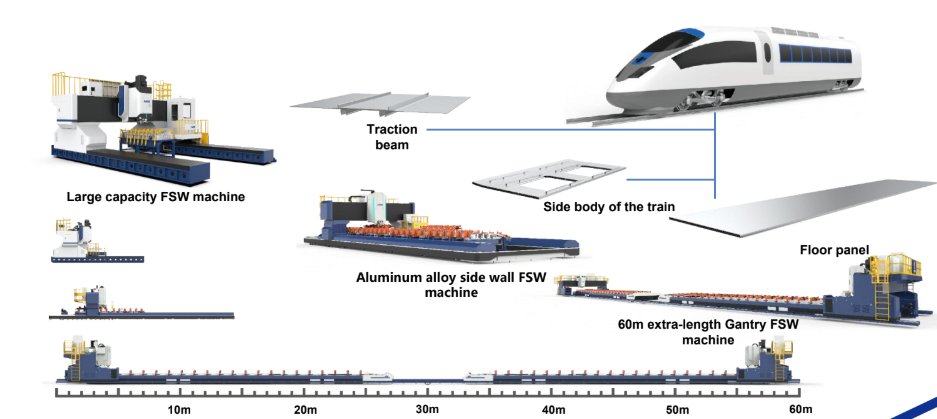
Applications in rail transport
FSW technology for shipbuilding – welding of large aluminium structures with unrivalled corrosion resistance.
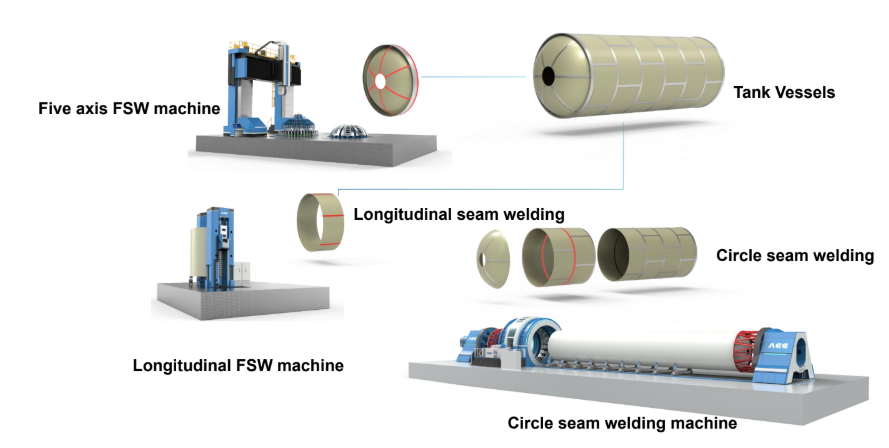
Applications in marine shipbuilding
Lightweight and strong aluminium components for the automotive industry, providing better fuel efficiency.
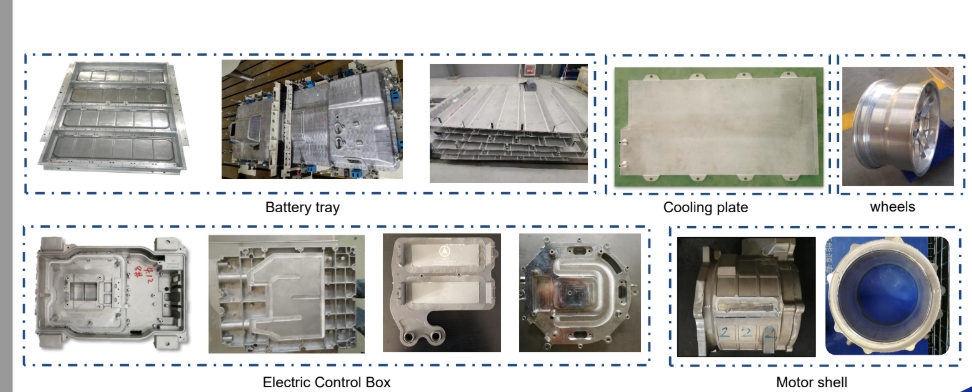
Applications in batteries, automotive industry and electrical engineering
High-speed trains and metro cars with FSW-welded aluminium structures for maximum safety and efficiency.
FSW for finished components and modules
Consistent quality when welding and finishing parts for transport, energy, and industrial products.
- Clean seams with minimal deformation on large panels.
- Works with aluminium profiles and multi-part assemblies.
- Process tuned for serial production with repeatable results.
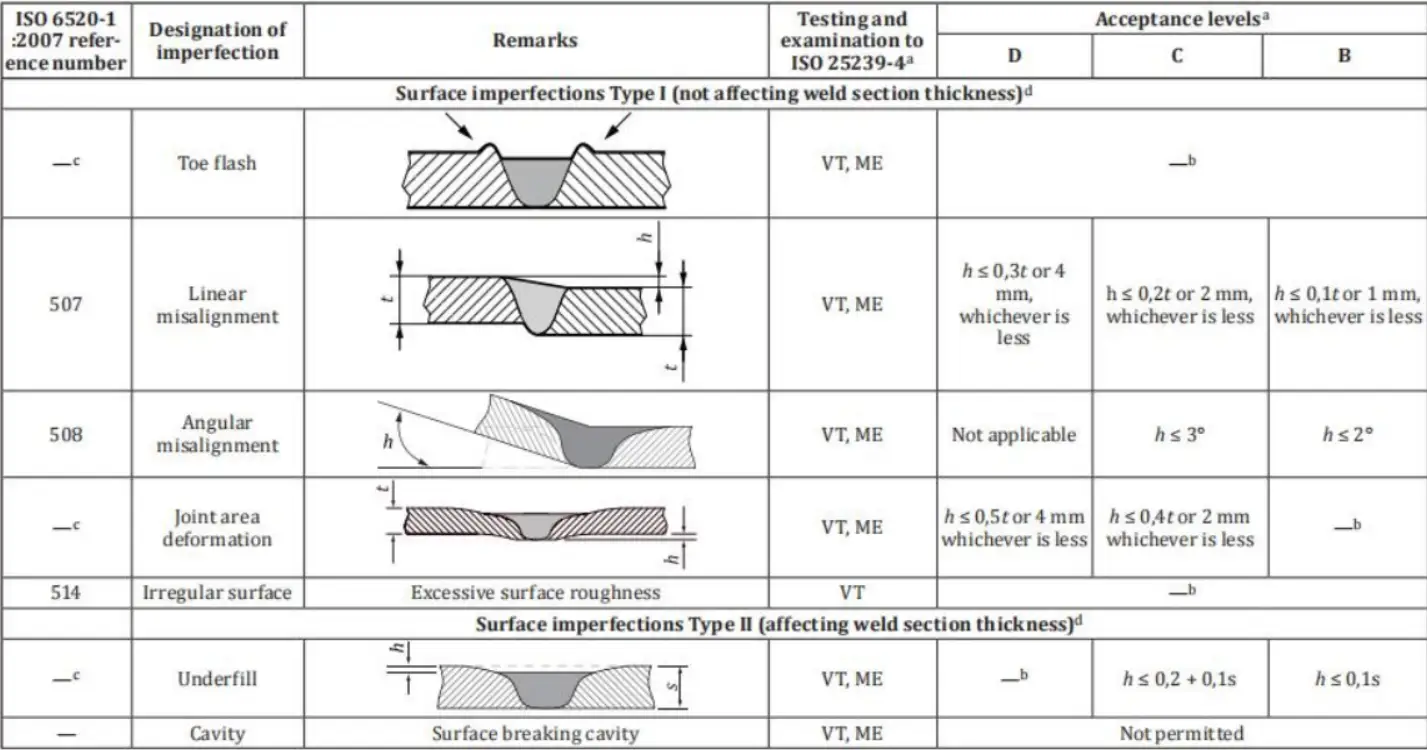
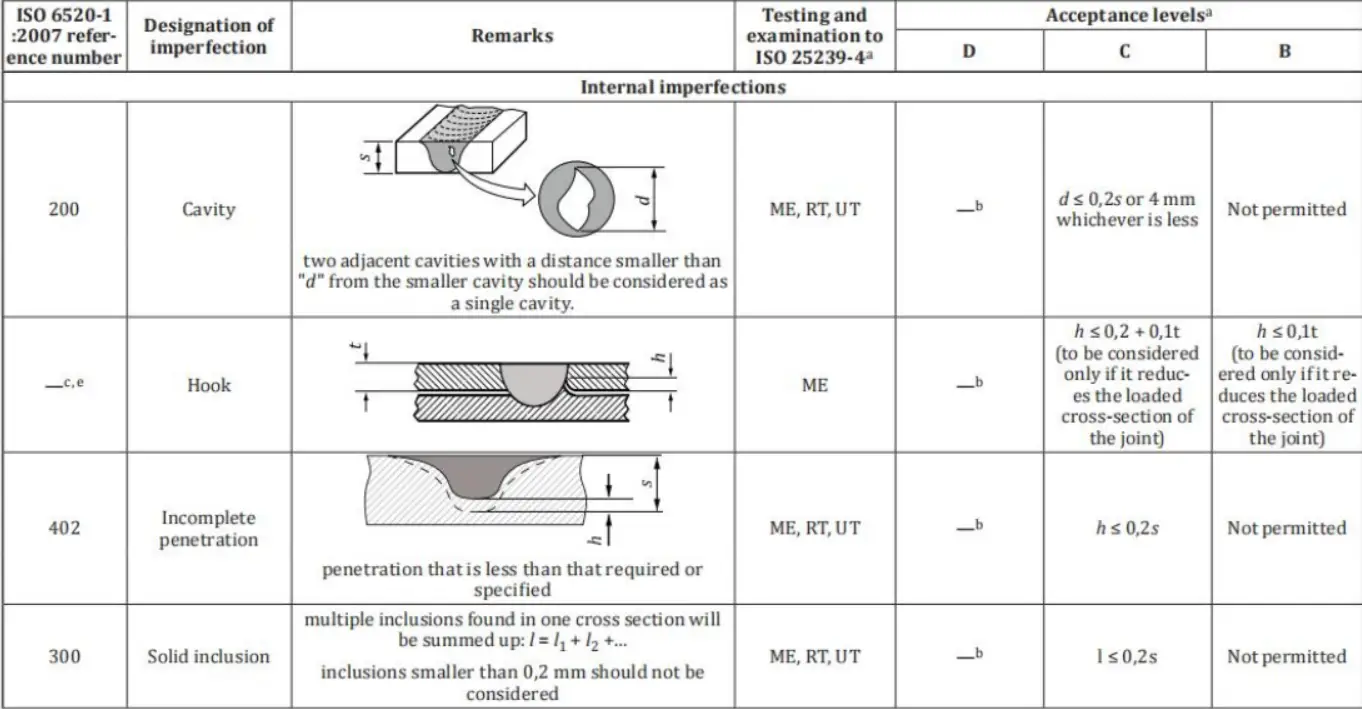
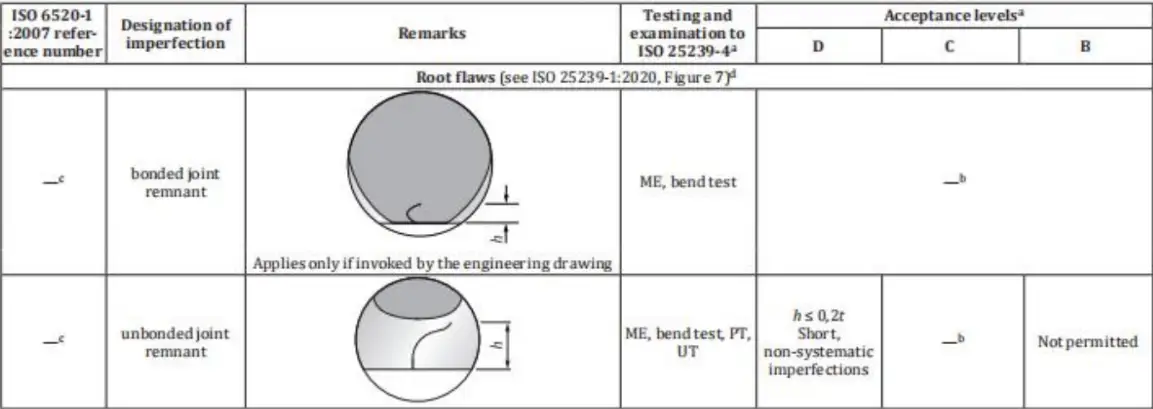
Quality standards in FSW
Showcasing how we validate and monitor the quality of every FSW process.
See our FSW machines and quality control
Explore the equipment that delivers consistent results and the procedures that validate every step of the process.